adhd counselling support: Blending Therapy and Digital Tools
Discovering the Benefits of Virtual Therapy in Modern Mental Healthcare
The rise of virtual therapy marks a substantial change in mental healthcare. It uses improved availability, enabling people from varied backgrounds to look for help without geographical restrictions. Versatility in scheduling accommodates varying lifestyles, while the comfort of home can foster openness. Nonetheless, the implications of these changes expand past simple benefit. The progressing landscape of therapy elevates important questions about its long-lasting effects on client involvement and treatment results.
Enhanced Ease of access for All
Although typical therapy commonly offers barriers such as geographical location and scheduling problems, virtual therapy considerably enhances availability for individuals seeking mental health assistance. By eliminating the demand for physical travel, virtual therapy enables customers from remote locations or those with flexibility obstacles to attach with qualified specialists. This mode of therapy can get to underserved populations who might do not have regional mental health resources, thereby resolving variations in access to care. Additionally, virtual platforms can deal with diverse requirements, using solutions in several languages and fitting numerous cultural histories. Customers can involve with a broader series of specialists, offering them with alternatives that line up with their details requirements and preferences. This enhanced accessibility promotes a much more inclusive environment, permitting people to seek help without the stigma commonly connected with in-person sees. In general, virtual therapy stands for a substantial improvement in making mental healthcare much more easily accessible to all.
Versatility in Organizing Sessions

As virtual therapy proceeds to gain grip, its fundamental versatility in organizing sessions verifies to be a substantial advantage for several people. Unlike conventional in-person therapy, virtual therapy allows customers to choose session times that best fit their personal and professional commitments. This versatility fits those with demanding job schedules, family members obligations, or other dedications that can make attending physical visits challenging.
Moreover, clients can conveniently reschedule or change their sessions as required, reducing the anxiety related to stiff consultation systems. The accessibility of different time slots throughout the week, including evenings and weekend breaks, additionally boosts ease of access. This flexibility not only motivates consistency in participation however likewise cultivates a better dedication to the restorative procedure. Ultimately, the adaptability in organizing sessions represents a transformative shift in mental healthcare, equipping people to prioritize their well-being without sacrificing various other facets of their lives.
Convenience of a Familiar Atmosphere
The comfort of an acquainted environment substantially boosts the efficiency of virtual therapy for several customers. Taking part in therapy from the security of their own homes allows people to feel more comfortable, minimizing stress and anxiety that may go along with typical in-person sessions. This knowledge can promote open communication, making it possible for clients to share their thoughts and feelings extra easily.
The visibility of personal things and the ability to control their environments can contribute to a sense of safety and relaxation. Clients typically report that being in a comfy space enables them to focus more on the restorative process rather than the setting itself.
Additionally, the informal nature of virtual sessions can aid dissolve obstacles that might exist in a typical workplace atmosphere, cultivating a deeper link with specialists. On the whole, the comfort of familiar environments plays a necessary function in boosting the therapeutic experience and performance for numerous people looking for mental wellness support.
Broader Series Of Therapeutic Options
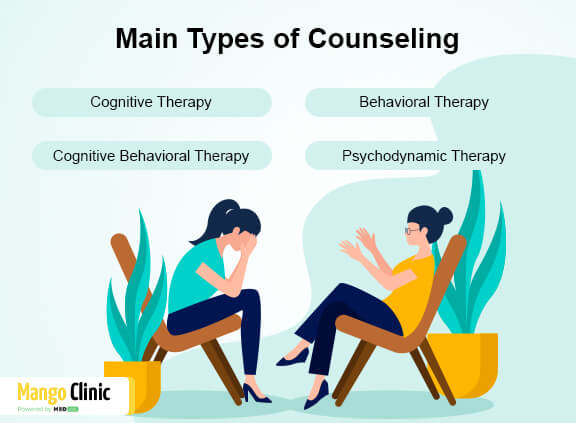
A bigger series of healing choices appears through virtual therapy, permitting customers to gain access to different techniques that may not be possible in typical setups. This flexibility allows individuals to explore varied strategies such as cognitive-behavioral therapy, mindfulness techniques, art therapy, and also specialized interventions like trauma-informed care or dialectical behavior modification.
Additionally, clients can choose from a more comprehensive spectrum of therapists, including those who specialize in niche locations or particular populations, boosting the likelihood of locating an appropriate match. Virtual platforms typically supply accessibility to group therapy sessions, support communities, and workshops that might be geographically unavailable or else.
This selection equips customers to engage in their recovery procedure according to their one-of-a-kind preferences and needs, potentially enhancing inspiration and commitment to therapy. Consequently, more info the landscape of mental healthcare ends up being more comprehensive and versatile, accommodating a broader variety of individual experiences and obstacles.
Decreased Stigma Surrounding Therapy
Accessing therapy through virtual platforms adds to a significant reduction in the preconception traditionally linked with psychological health care. By giving a discreet and exclusive environment, virtual therapy enables individuals to look for help without the fear of being judged or determined. This anonymity attract those that might or else be reluctant to pursue in-person therapy because of social assumptions surrounding mental health.
Additionally, as the prevalence of virtual therapy boosts, it normalizes the conversation around mental health, making it a more acceptable part of daily life. Individuals frequently really feel a lot more comfortable discussing their experiences on the internet, promoting visibility and reducing sensations of seclusion. The access of these services additionally encourages a broader demographic to involve with psychological wellness resources, fostering a culture of support instead of embarassment. Ultimately, the surge of virtual therapy plays an essential duty in improving attitudes in the direction of looking for aid, adding to a much more accepting society pertaining to psychological health and wellness obstacles.
Cost-Effectiveness and Affordability
Reduced Session Expenses
Many people looking for mental health support discover that virtual therapy substantially lowers session prices compared to standard in-person choices. The removal of traveling costs and time off work usually contributes to overall savings. Additionally, many virtual therapists offer competitive prices because of lower overhead costs connected with preserving a physical office. This change in expense allows clients to accessibility high quality psychological wellness solutions without the economic stress that may come with traditional therapy. For many, this price allows more regular sessions, which can improve treatment end results. Therefore, virtual therapy not just democratizes accessibility to psychological healthcare but likewise gives a lasting monetary version that straightens with customers' budgets, making psychological health support more achievable for a broader target market.
Expanded Gain Access To Alternatives
While traditional therapy typically offers logistical barriers, virtual therapy substantially increases accessibility alternatives for people seeking psychological wellness treatment. By getting rid of the requirement for traveling and allowing adaptable organizing, virtual therapy fits diverse lifestyles and commitments. This accessibility is particularly useful for those in remote locations or with wheelchair challenges. Furthermore, the cost-effectiveness of virtual therapy lowers economic strain, making mental wellness solutions more obtainable. Lots of systems offer tiered prices or gliding scale charges, advertising cost. Insurance policy companies significantly recognize virtual therapy, additional improving its financial availability. Overall, virtual therapy not only broadens the range of who can obtain treatment yet likewise addresses economic obstacles, making mental health and wellness assistance more comprehensive and obtainable for all.
Improved Connection of Care
Boosted continuity of treatment becomes a significant advantage of virtual therapy in contemporary psychological health and wellness care. This technique allows patients to preserve constant communication with their therapists, regardless of geographical obstacles or scheduling conflicts. relationship therapy. The flexibility of virtual sessions promotes normal check-ins, which are vital for monitoring progression and adjusting therapy plans as required
Additionally, electronic health records and telehealth platforms facilitate smooth info sharing amongst care service providers. This interconnectedness ensures that all specialists entailed in a person's treatment are upgraded on therapy advancements, resulting in more collaborated and reliable interventions.
Individuals frequently experience decreased stress and anxiety and enhanced interaction because of the convenience of accessing therapy from acquainted settings. Such availability boosts adherence to treatment routines, ultimately improving end results - adhd counselling. To summarize, virtual therapy not only bridges voids in mental health solutions but additionally strengthens the continuity of treatment, an important component of effective therapeutic partnerships
Often Asked Concerns
How Does Virtual Therapy Make Certain Privacy and Personal Privacy for Clients?
The existing concern addresses the procedures virtual therapy employs to shield customer privacy. Utilizing encrypted systems, protected logins, and compliance with policies like HIPAA, virtual therapy warranties that delicate info continues to be exclusive and unattainable to unauthorized individuals.
Can I Change Therapists Conveniently in Virtual Therapy?
Changing specialists in virtual therapy is normally uncomplicated. Customers can interact their need for an adjustment through the system, enabling for adaptability in finding a better match without the logistical difficulties of in-person appointments.
What Innovation Do I Need for Virtual Therapy Procedure?
To join virtual therapy sessions, an individual generally requires a reputable internet link, a computer or mobile phone with an electronic camera and microphone, and access to a protected video conferencing platform defined by their therapist.

Are Virtual Therapy Procedure as Effective as In-Person Procedure?
Current researches show that virtual therapy sessions can be similarly reliable as in-person sessions, depending upon the individual's preferences and conditions. Variables such as convenience and access might enhance the general healing experience for some clients.
What Should I Do if I Experience Technical Issues During a Session?
If technical problems arise throughout a session, one ought to smoothly interact the issue to the therapist, attempt to reconnect, or button to a backup method. Persistence and versatility are vital in handling these disruptions.